IELTS Speaking test collection
IELTS Speaking
ExamBand · 11 full tests · 11 examiners · Academic and General Training
After any test: your band from AI feedback for $4
11 IELTS Speaking tests
- Practice Test 1Part 2: Describe a time when you helped someone
 Helen Carter11–14Start free
- 2 Practice Test 2Part 2: Describe a skill that you learned as an adult
 David Morgan11–14Start free
- 3 Practice Test 3Part 2: Describe a quiet place where you like to spend time
 James Turner11–14Start free
- 4 Practice Test 4Part 2: Describe an older person you know and admire
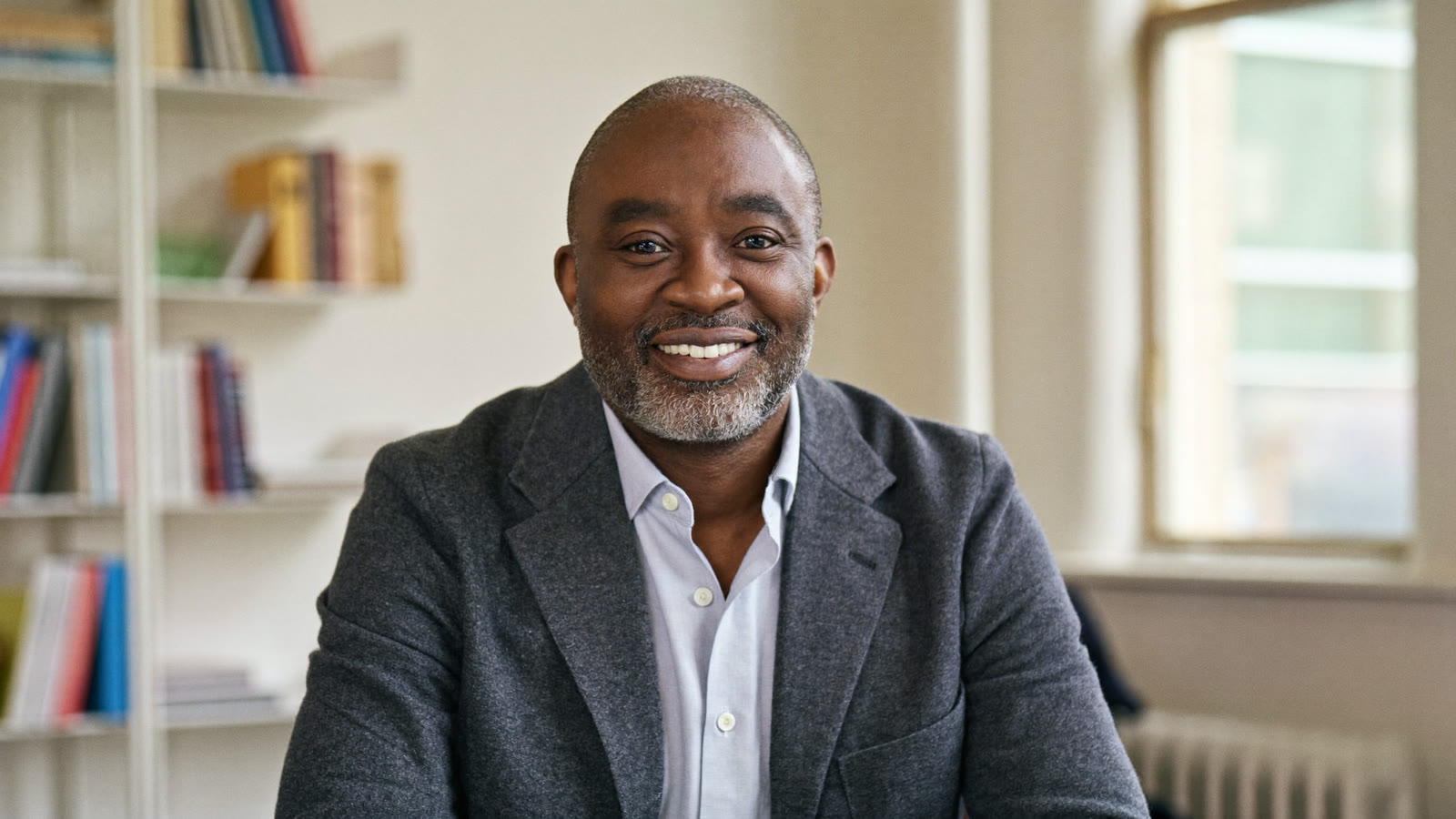 Richard Hayes11–14Start free
- 5 Practice Test 5Part 2: Describe something you bought that you were very pleased with
 Claire Bennett11–14Start free
- 6 Practice Test 6Part 2: Describe a live performance that you enjoyed watching
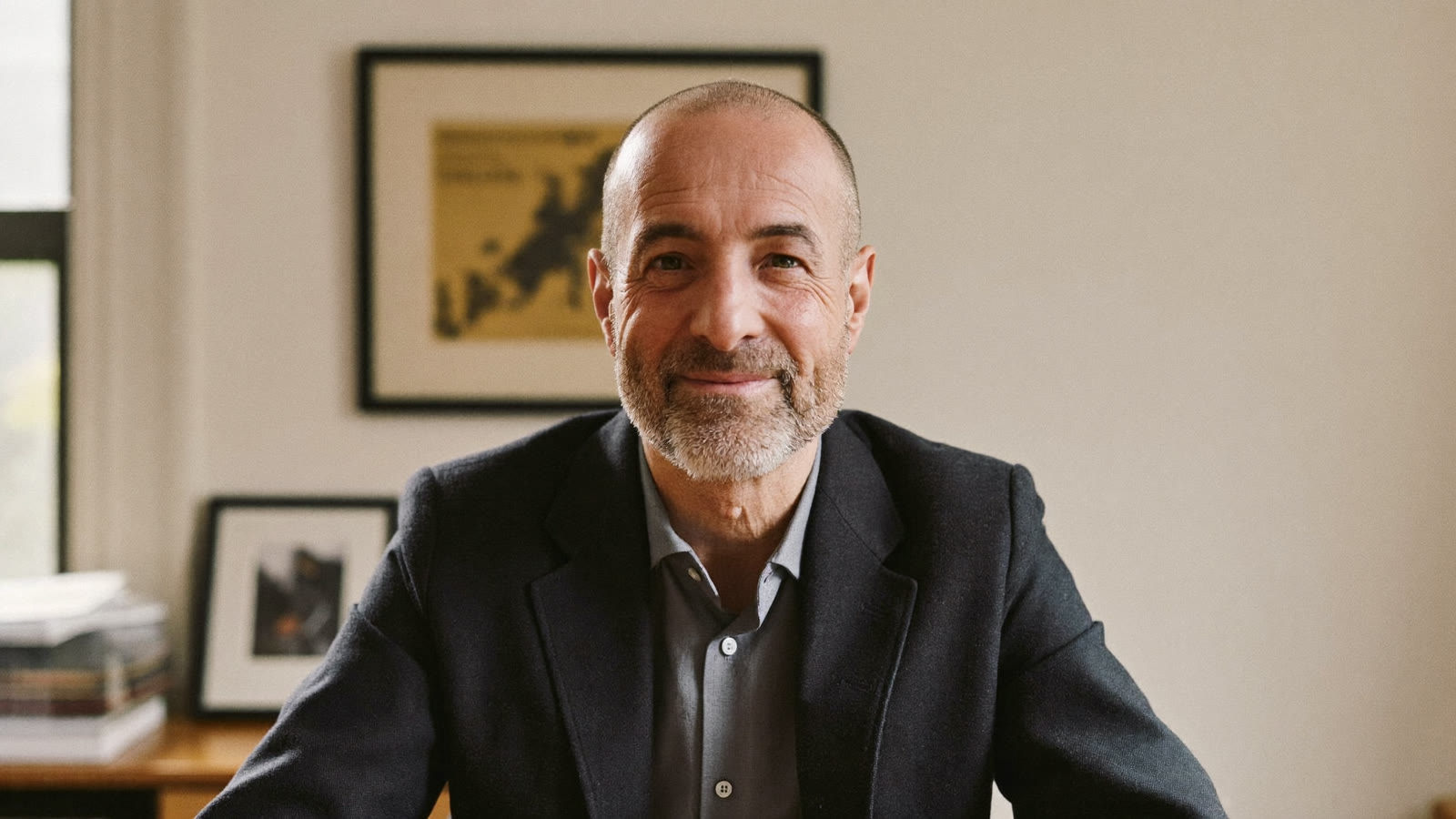 Simon Walsh11–14Start free
- 7 Practice Test 7Part 2: Describe a building that you think is attractive
 Andrew Clarke11–14Start free
- 8 Practice Test 8Part 2: Describe a difficult decision that you had to make
 Catherine Price11–14Start free
- 9 Practice Test 9Part 2: Describe something that you made by hand
 Thomas Reid11–14Start free
- 10 Practice Test 10Part 2: Describe an occasion when someone surprised you
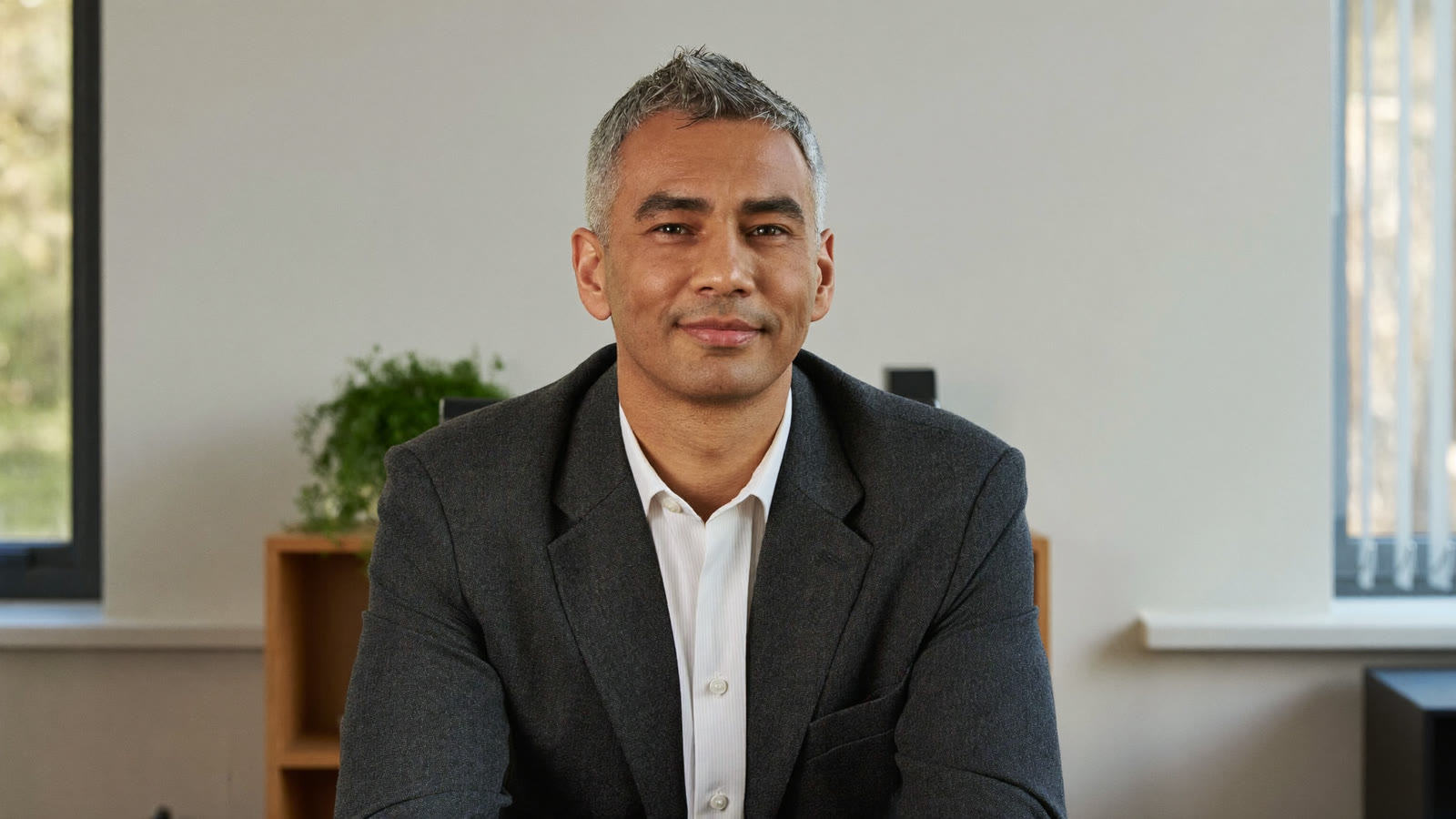 Edward Hall11–14Start free
- 11 Practice Test 11Part 2: Describe a person from history that you would like to meet
 Sarah Collins11–14Start free
AI Speaking feedback
Take any test free. Get your band for $4.
- Your estimated Speaking band
- Marks for fluency, vocabulary and grammar
- Your own sentences corrected
- Your top 3 fixes, in about a minute
The guide
About the IELTS Speaking test
What is in the IELTS Speaking test
Speaking is the same for Academic and General Training. It is a recorded conversation with an examiner, face to face or by video call, and it can be on the same day as the other tests or up to a week before or after.
The examiner checks your name, then asks about familiar subjects such as your home, your routine and everyday topics.
Three topics, three or four questions each.
A topic card: one minute to prepare, with paper for notes, then you speak for one to two minutes.
One or two short follow-up questions.
A discussion of broader, more abstract questions linked to your Part 2 topic.
Usually two themes.
How IELTS Speaking is marked
Four criteria count equally. Your Speaking band is their average.
- Learned-by-heart answers are marked down: examiners are trained to spot them.
- Our AI feedback reads a transcript of your answers, so it gives an estimated band for the first three criteria and cannot judge pronunciation.
Source: ielts.org: how IELTS Speaking is marked
Work out your overall band with the IELTS band score calculatorFluency and Coherence
Speaking at length without long pauses, with ideas in a clear order.
Lexical Resource
A range of vocabulary, including less common words and natural phrases.
Grammatical Range and Accuracy
A mix of simple and complex sentences with few errors.
Pronunciation
How easy you are to understand, with natural stress and intonation.
From 10 years of teaching IELTS
Tips for IELTS Speaking
- 1
Extend every Part 1 answer
Two or three sentences: answer, then add a reason or a quick example. One-word answers give the examiner nothing to mark.
- 2
Use the minute in Part 2
Write key words for each point on the card, not full sentences. You will speak more naturally.
- 3
Keep going to two minutes
Running out early? Add a short story, how you felt, or how things have changed.
- 4
Part 3 is about ideas
Talk about people in general: compare past and present, give causes and effects, and support your view.
- 5
Ask for a repeat if you need it
You may ask the examiner to repeat a question. It is better than guessing what was asked.
- 6
Listen to yourself afterwards
Your recording shows the pauses, the repeated words and the habits you don't notice while speaking.
Questions about the IELTS Speaking test
Is a real examiner listening to me?
No. The examiner's questions are pre-recorded, and your answers are recorded on your own device. AI feedback ($4 a test, or with the Exam Pass) gives you an estimated band.
What do I need to take the Speaking test?
A microphone (a headset or your laptop's own) and an up-to-date browser such as Chrome, Edge or Safari.
Can I ask the examiner to repeat a question?
Yes, once per question, as in the real test.
Is Speaking the same for Academic and General Training?
Yes. Both take the same Speaking test.
Is the IELTS Speaking test free?
Yes. Every Speaking practice test is free to take. AI feedback is $4 for one test, or comes with the Exam Pass.